

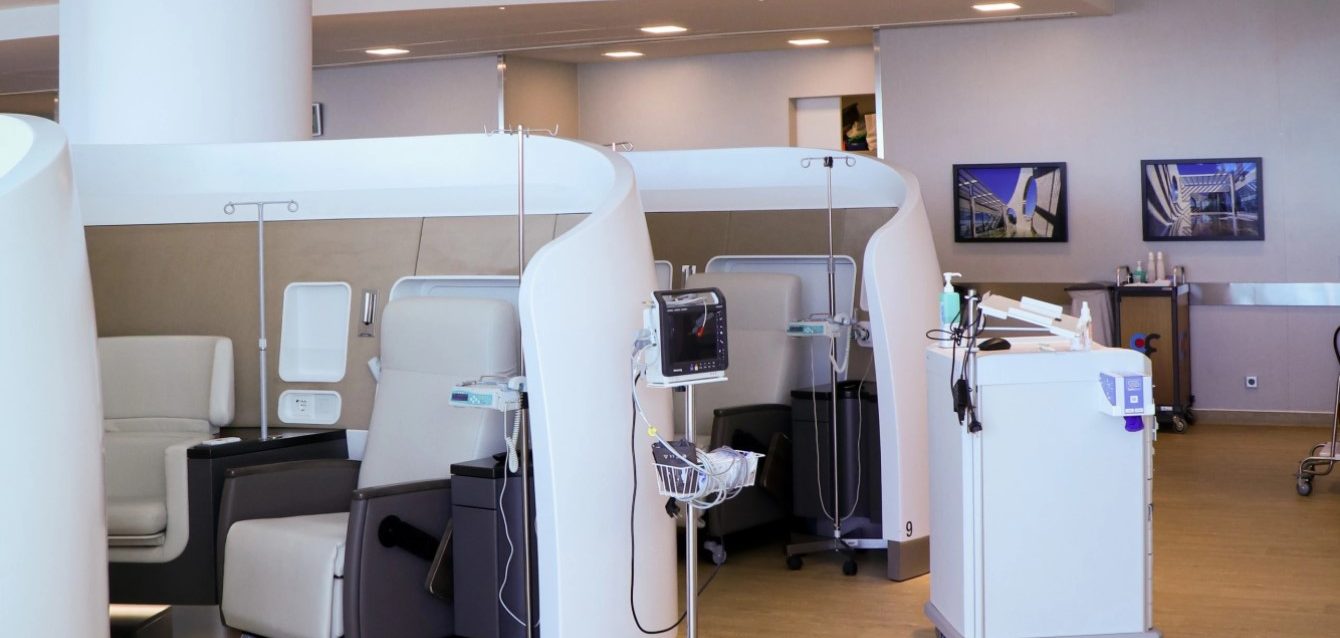
The Breast Cancer Prevention and Longevity Lab focuses on developing low-toxicity strategies to reduce breast cancer risk in high-risk women and prevent recurrence in women with non-invasive or invasive disease.

Cancer-Related Cognitive Impairment (CRCI)
The Physical Activity & Quality of Life Lab conducts actionable research to enhance clinical and survivorship outcomes through physical activity, with a focus on improving cancer patients’ quality of life. Our research centers on three main areas: 1) developing evidence-based exercise programs to optimize cancer treatment outcomes, 2) exploring the role of physical activity and sleep in cancer etiology and their impact on survivorship, and 3) identifying wearable-based metrics (e.g., smartwatch data) to monitor and predict cancer prognosis risk in patients.

Translational Research and Evidence-Based Medicine Lab
The Physical Activity & Quality of Life Lab conducts actionable research to enhance clinical and survivorship outcomes through physical activity, with a focus on improving cancer patients’ quality of life. Our research centers on three main areas: 1) developing evidence-based exercise programs to optimize cancer treatment outcomes, 2) exploring the role of physical activity and sleep in cancer etiology and their impact on survivorship, and 3) identifying wearable-based metrics (e.g., smartwatch data) to monitor and predict cancer prognosis risk in patients.
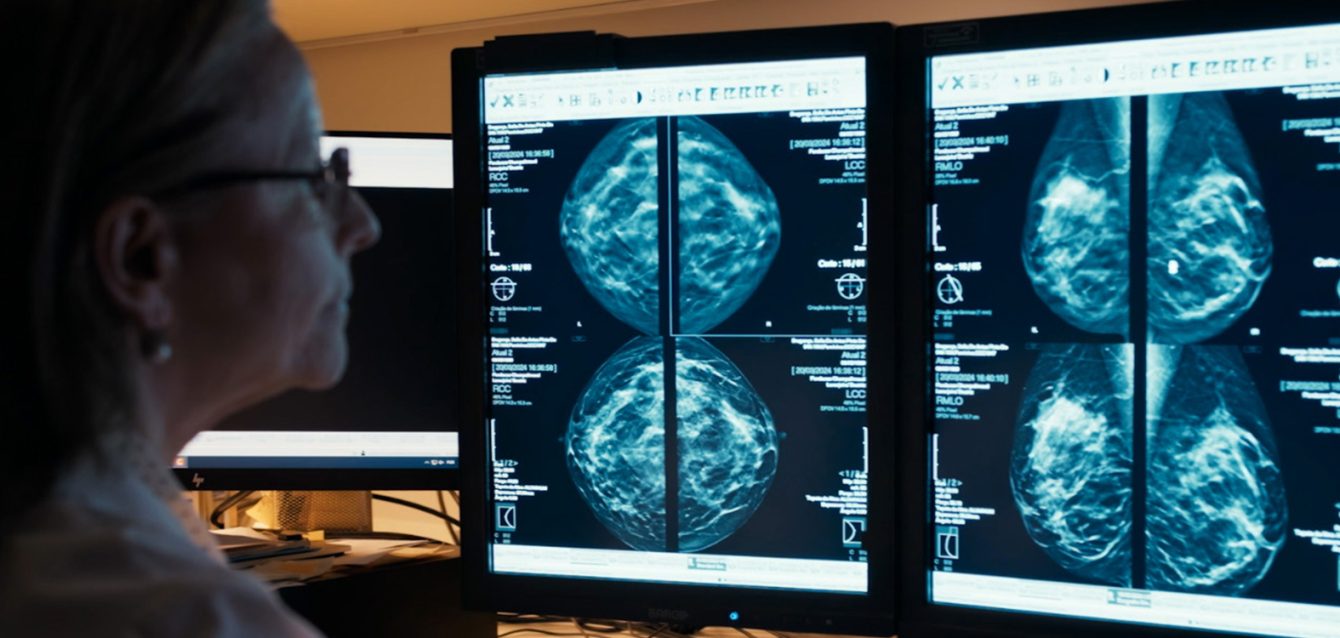
Breast Imaging Lab
The Physical Activity & Quality of Life Lab conducts actionable research to enhance clinical and survivorship outcomes through physical activity, with a focus on improving cancer patients’ quality of life. Our research centers on three main areas: 1) developing evidence-based exercise programs to optimize cancer treatment outcomes, 2) exploring the role of physical activity and sleep in cancer etiology and their impact on survivorship, and 3) identifying wearable-based metrics (e.g., smartwatch data) to monitor and predict cancer prognosis risk in patients.

Digital Surgery Lab
The Physical Activity & Quality of Life Lab conducts actionable research to enhance clinical and survivorship outcomes through physical activity, with a focus on improving cancer patients’ quality of life. Our research centers on three main areas: 1) developing evidence-based exercise programs to optimize cancer treatment outcomes, 2) exploring the role of physical activity and sleep in cancer etiology and their impact on survivorship, and 3) identifying wearable-based metrics (e.g., smartwatch data) to monitor and predict cancer prognosis risk in patients.

Surgery, Outcomes, Personalization, and Empowerment Lab
The Physical Activity & Quality of Life Lab conducts actionable research to enhance clinical and survivorship outcomes through physical activity, with a focus on improving cancer patients’ quality of life. Our research centers on three main areas: 1) developing evidence-based exercise programs to optimize cancer treatment outcomes, 2) exploring the role of physical activity and sleep in cancer etiology and their impact on survivorship, and 3) identifying wearable-based metrics (e.g., smartwatch data) to monitor and predict cancer prognosis risk in patients.

Physical Activity & Quality of Life Lab
The Physical Activity & Quality of Life Lab conducts actionable research to enhance clinical and survivorship outcomes through physical activity, with a focus on improving cancer patients’ quality of life. Our research centers on three main areas: 1) developing evidence-based exercise programs to optimize cancer treatment outcomes, 2) exploring the role of physical activity and sleep in cancer etiology and their impact on survivorship, and 3) identifying wearable-based metrics (e.g., smartwatch data) to monitor and predict cancer prognosis risk in patients.